
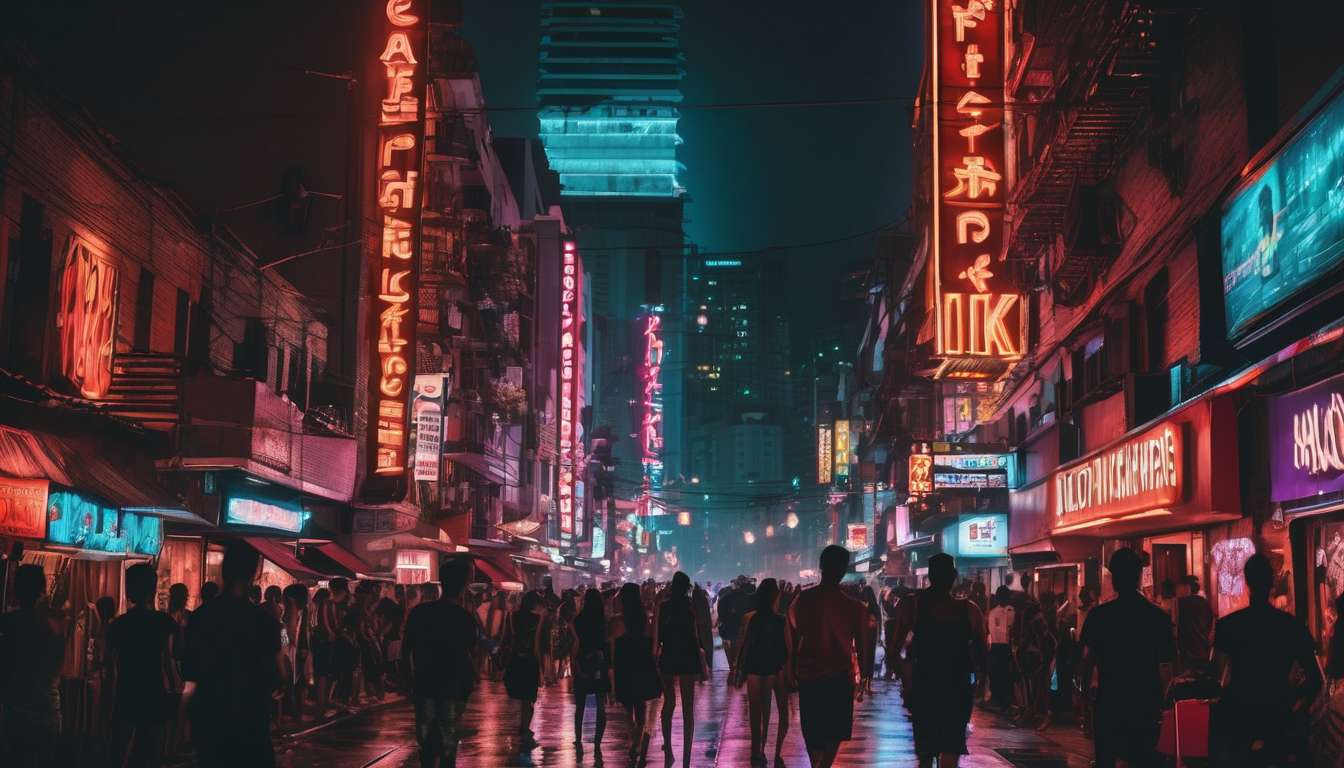
Never have we considered how a single tourist decision can reshape an entire adult entertainment district’s economy.
What happens when a surge of visitors follows a new nightlife trend, or when travel restrictions redirect crowds away from longstanding red-light areas? As researchers, planners, and stakeholders, we must ask how demand influxes alter wages, rent, licensing, and informal markets—and who benefits or loses when consumption patterns shift.
We examine how seasonal peaks and social media-driven fads inflate prices and change business models, while regulatory responses and resident backlash can suppress or displace activity.
By tracing spending flows, employment dynamics, public safety concerns, and urban policy reactions, we aim to reveal the mechanisms linking tourism demand to economic outcomes in these districts.
Our goal is to provide a balanced analysis that informs policymakers, community advocates, and industry participants about managing tourism impacts equitably and sustainably.
Tourism Demand Dynamics
We examine how price, income, seasonality, and consumer preferences interact to drive short- and long-term shifts in tourism demand.
Price and income changes directly alter visitor behavior.
- When prices rise, visitors often shorten stays, substitute cheaper options, or drop visits altogether.
- When disposable incomes increase, visitors expand itineraries and spend more on higher-margin services.
Seasonality concentrates visits into peaks, creating intense but transient demand.
- Peaks can mask underlying trends and create pressure on infrastructure and staffing.
- Off-peak periods may leave businesses underutilized and workers underemployed.
Changing consumer preferences redirect spending across venues and services.
- A shift toward experiential nights out increases demand for unique local offerings.
- A shift toward privacy-focused visits (e.g., short-term rentals) reallocates spending away from public-facing venues.
These demand patterns contribute to rent escalation and changing district composition.
- Landlords chase peak revenues, driving up rents and pushing out smaller operators.
- Higher rents favor capitalized businesses and chain entrants over local entrepreneurs.
Displacement often pushes activity into informal labor markets.
- Workers and small entrepreneurs adapt by operating informal services to stay included in the local economy.
- Informality increases vulnerability and reduces access to protections and stable income.
By staying attentive to these interconnected forces, we can advocate for policies and community strategies that sustain diverse participation and protect livelihoods.
- Support measures that stabilize income for local workers (e.g., living wages, season-long employment supports).
- Encourage land-use and zoning policies that limit speculative rent increases and preserve space for small businesses.
- Promote off-peak tourism and product diversification to smooth demand over time.
- Invest in formalization pathways and social protections for workers in informal markets.
Attentive, coordinated policy and community responses can help balance tourism’s economic benefits with inclusive, sustainable neighborhood outcomes.
Price and Wage Effects
We examine how price shifts for goods and services and wage adjustments for workers directly interact to reshape profitability, employment levels, and income distribution in adult entertainment districts.
As tourism-driven demand rises, venues can raise cover charges, drink prices, and service fees.
- This yields higher revenue per customer.
- It also creates pressure on affordable access for regulars.
Stronger demand can allow some operators to increase formal wages, but many establishments continue to rely on tipping and flexible pay.
- As a result, workers remain vulnerable to income volatility and lack of benefits.
Rising operating costs and rent escalation squeeze margins, prompting owners to cut hours or shift to precarious staffing models.
- This pushes more people into informal labor markets where pay is unpredictable and benefits are absent.
- The combination of price increases and uneven wage responses changes who can work in the district and who can afford to visit, altering income distribution within the community.
We advocate policies that support fair compensation, transparent pricing, and pathways from informal to formal employment.
- Promote wage standards and enforceable labor protections to reduce vulnerability.
- Encourage transparent pricing practices so consumers and workers understand cost and revenue flows.
- Create training, certification, and hiring programs that enable transitions from informal to formal employment.
The goal is for everyone in the district to thrive and feel included.
Rent and Real Estate Pressures
Problem: market pressure is displacing adult entertainment businesses and residents.
Rising property values and competing land uses are squeezing operators and residents out of key districts. Tourism-driven demand pushes developers and landlords to prioritize short-term gains, fueling rent escalation that outpaces operators’ margins and residents’ incomes.
Data needs to understand displacement drivers.
- We need clear data on vacancy turnover.
- We need information on lease lengths and lease terms.
- We need records of conditional-use permits and zoning changes.
Power imbalance and its effects.
Unequal bargaining power lets investors reshape neighborhoods, converting long-standing venues into higher-rent hospitality or retail. This process fragments social networks and forces workers and patrons to travel further or disappear from public life.
Policy responses to preserve cultural uses and community belonging.
- Advocate for zoning protections that protect culturally important uses.
- Pursue rent stabilization mechanisms for small operators and housing.
- Establish community land trusts to preserve long-term, affordable cultural and residential space.
- Center affected voices in decision-making and monitoring.
Implementation priorities.
- Monitor how speculative investment alters land-use patterns.
- Track lease and permit data to build legal and political cases.
- Use community-driven research to inform policy design and enforcement.
Goal.
By combining data, community advocacy, and targeted policy tools, we can maintain diverse, inclusive districts rather than allowing tourism-driven displacement to erode them.
Informal Economy Responses
We should map how informal work and unregulated services adapt to displacement pressures.
Informal work buffers livelihoods but can hide risks and limit access to protections.
We notice tourism-driven demand reshapes where people sell services.
Tourism pushes vendors and performers toward high-footfall corridors while landlords respond with rent escalation.
When formal venues close or up-rent, informal labor markets expand.
- Workers shift hours to match customer flows.
- Workers subcontract or share tasks to reach more clients.
- Workers operate in semi-hidden spaces to stay connected to customers.
We’ll listen to community voices to trace these shifts.
Belonging depends on visible pathways to income and safety, so first-hand accounts are essential.
We’ll document coping strategies that keep people afloat without glamorizing precarity.
- Sharing tips and knowledge.
- Pooled resources (money, tools, workspace).
- Transient networks that connect workers across sites and times.
We’ll highlight how adaptive tactics can entrench exclusion.
These tactics often limit access to benefits, legal recourse, and stable contracts.
By centering mutual aid and pragmatic interventions, we can propose ways to reduce harm and stabilize incomes.
- Support and formalize safe, low-barrier collective mechanisms for resource pooling.
- Advocate for tenant protections and anti-displacement measures in high-tourism corridors.
- Create legal and administrative pathways for informal workers to access benefits without losing flexibility.
Goal: ensure those who keep districts alive aren’t erased by tourist cycles and speculative rent hikes.
Regulatory and Licensing Shifts
We’ll examine how shifting regulations and licensing requirements reshape where and how adult entertainment and informal service providers can legally operate.
Tourism-driven demand is prompting local officials to rewrite zoning and licensing frameworks to either concentrate or disperse venues, and the community feels the effects.
Those policy changes interact with rent escalation, pushing some long-standing operators out while creating openings for new, often more corporate, entrants.
We’re concerned that narrower licensing windows, higher fees, and conditional permits can criminalize informal labor markets or force operators into marginal spaces.
To address this, we can advocate for fair transitional measures, such as:
- phased compliance timelines,
- affordable licensing tiers,
- community-led impact assessments that respect workers’ rights.
When we share knowledge and organize, we make regulatory processes more transparent and equitable.
This collective action helps preserve diverse livelihoods while guiding districts toward safer, economically sustainable models that acknowledge both tourism-driven demand and the realities of rent escalation.
Social Media and Trend Cycles
Social media and fast-moving trends are reshaping adult entertainment marketing, recruitment, and customer expectations.
We see tourism-driven demand amplified through viral moments. Venues chase visibility to capture transient audiences, which helps build community around venues but also accelerates rent escalation as landlords target high-traffic districts.
We leverage platforms to foster belonging among performers and patrons.
- Behind-the-scenes stories
- Event calendars
- Community-focused contentThese tactics make people feel included and strengthen venue identity.
Rapid trends are changing staffing and compensation toward informal labor markets.
- Short-term gigs and independent contracting become the norm.
- Quick online coordination fills slots rapidly.This flexibility can erode long-term stability for workers.
We use analytics and feedback loops to adapt offerings while preserving core values.
- Track engagement and customer feedback
- Iterate programming and promotionsThese measures help balance responsiveness with community cohesion.
We advocate balancing digital reach with fair work practices and neighborhood sustainability.
- Manage tourism-driven spikes to avoid destabilizing neighborhoods.
- Implement fair compensation and clearer employment practices.
- Seek strategies that prevent rent escalation and protect long-term community health.
Public Safety and Policing
We must prioritize clear, consistent safety protocols and community-informed policing to keep patrons, performers, and neighbors safe without criminalizing sex work or displacing local residents.
Public safety approaches must be predictable, trauma-informed, and responsive to lived experience.
- Officers and security staff should be trained to listen and de-escalate.
- Staff should collaborate with venue staff, outreach workers, and neighborhood groups.
- The aim is to create a sense of belonging rather than fear.
Tourism-driven demand and increased foot traffic require tailored responses.
- Increased visibility can heighten risks for patrons, performers, and neighbors.
- Responses should avoid punitive measures that push people into more precarious situations.
Policing must account for housing and economic pressures, not ignore them.
- Rent escalation and neighborhood change push informal labor markets into vulnerability.
- Policing that ignores these forces simply relocates harm rather than addressing root causes.
We will advocate for data-sharing, training, and confidential complaint mechanisms.
- Data-sharing among agencies and community groups can inform targeted, non-punitive interventions.
- Training should include consent, cultural competency, and trauma-informed practices.
- Complaint mechanisms must protect confidentiality to encourage reporting and accountability.
By centering relationships among residents, workers, and visitors, we can reduce exploitation and improve safety.
- Strong relationships increase reporting, reduce harm, and build safer spaces.
- The goal is to create environments where everyone feels respected and supported.
Equitable Policy Strategies
We’ll pursue policy strategies that distribute benefits and protections fairly across residents, workers, and visitors while addressing structural inequalities that shape who gains from adult‑entertainment tourism.
We’ll center community voices in zoning and licensing decisions so tourism‑driven demand doesn’t translate into displacement or exclusion.
We’ll pair incentives for local hiring and living‑wage standards with targeted supports for those working in informal labor markets, offering pathways to formal employment and legal protections without criminalizing survival strategies.
We’ll combat rent escalation by promoting:
- community land trusts
- rent stabilization near entertainment districts
- tax relief for small, locally owned venues that preserve cultural identity
We’ll design revenue‑sharing models that reinvest tourism proceeds into neighborhood services, safety programs, and workforce development, ensuring residents and workers share in prosperity.
We’ll monitor outcomes with transparent metrics and adjust policies when inequities persist.
By working together, we’ll create a district where economic opportunity, dignity, and belonging extend to everyone touched by the industry.
How do seasonal festivals or one-off events (like sports finals or music festivals) specifically create short-term spikes or long-term changes in demand for adult entertainment venues?
We see that festivals and big events drive immediate crowds to adult venues, and we recognize the shared rush that follows.
We’ll capitalize on event nights with extended hours, special shows, and targeted promos.
We’ll build relationships with organizers and hotels to capture repeat visitors.
Over time, we’ll use data from spikes to adjust staffing, pricing, and offerings, turning occasional surges into steady, community-oriented patronage.
What are the mental health and wellbeing impacts on adult entertainment workers caused by shifting tourism patterns and economic pressures, and what support services are most effective?
We’re seeing how shifting tourism and economic pressure harm workers’ mental health.
Key impacts include:
- Anxiety from uncertain demand and job instability.
- Burnout due to irregular hours and excessive workloads.
- Financial insecurity caused by fluctuating income.
- Isolation stemming from unpredictable schedules and weakened community ties.
We’re advocating accessible support services.
Proposed services include:
- Accessible counseling tailored to workers’ schedules and needs.
- Peer-support groups that provide mutual aid and shared coping strategies.
- Stable emergency funds to reduce financial stress during downturns.
- Confidential workplace mental-health training to increase awareness and reduce stigma.
We’re building community networks and harm-reduction services that respect privacy and dignity.
Community strategies include:
- Creating discreet referral pathways to services.
- Offering harm-reduction programs that prioritize consent and confidentiality.
- Strengthening local networks to reconnect isolated workers.
We’re pushing for policy protections and employer practices that reduce stress and foster belonging.
Policy and employer recommendations include:
- Implementing labor protections that stabilize hours and income.
- Requiring employer-supported access to mental-health resources.
- Encouraging inclusive workplace practices that build social support.
- Funding community-based programs that center worker dignity.
Goal: ensure nobody’s left alone — reduce stress, increase support, and create workplaces and policies that promote belonging.
In what ways do cross-border tourists (e.g., day-trippers from neighboring countries) differ in spending, behavior, and regulatory risk compared with domestic tourists in adult entertainment districts?
Observation: cross-border vs. domestic spending and behavior
We see cross-border day-trippers spending more on quick transactions, tips, and souvenirs, while domestic visitors linger and use services longer.
Behavioral differences by origin
We notice visitors from nearby countries often seek novelty and take fewer risks, whereas locals form relationships with workers.
Regulatory and safety risks for cross-border guests
We acknowledge higher regulatory risks for cross-border guests—visa limits, currency, and law misunderstandings—so we prioritize clear information, culturally aware staff, and discreet, consistent safety protocols.
Conclusion
You’ve seen how tourism demand shapes every corner of adult entertainment districts — from prices, wages and rents to informal work and licensing.
As visitor flows rise and fall, business strategies, safety needs and regulatory responses change, amplified by social media trends.
You can’t separate economic forces from public policy: equitable, evidence-based planning and adaptive enforcement will help balance community well-being, worker protections and local prosperity as tourism patterns continue to evolve.