
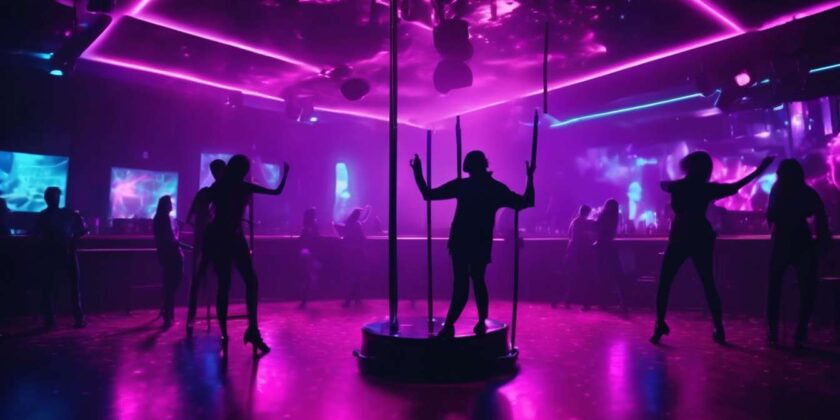
The algorithms that curate our feeds were designed for product ads and family photos, yet they now shape how we promote exotic dancing venues.
We navigate platform policies meant to curb explicit content while trying to reach consenting adults who want performance schedules, themed nights, and safety information.
That unexpected connection — between content-moderation rules and the livelihoods of performers and venue staff — forces us to rethink outreach strategies.
We must balance compliance with terms of service and the need for visibility.
- Often this means translating enticing promotions into coded language and stylized imagery that survive moderation.
- It requires careful wording, selective visuals, and sometimes relying on platform-specific features (events, newsletters, links) to convey essential details.
As managers, community organizers, and advocates, we face questions about equity, free expression, and public safety.
- How do we ensure performers’ economic opportunities without triggering bans or shadowbans?
- What responsibilities do platforms have to provide clear, consistent rules that don’t disproportionately harm certain workers?
In this article, we trace how platform policies influence marketing choices, the creative workarounds venues use, and what reforms could better support transparent, lawful, and dignified outreach.
Platform Policy Landscape
We’ll examine how major social platforms’ content and commerce policies shape what exotic dancing venues can post, promote, and monetize.
Platforms’ rules aren’t neutral. Content moderation regimes and commerce restrictions steer choices, and venues, performers, and promoters adapt together.
Platforms often ban explicit imagery and sex work–related transactions. As a result, we rely on coded advertising — subtle language and imagery that signals events, promotions, and membership without triggering automated filters.
Coded advertising helps maintain visibility while protecting revenue streams.
- It uses euphemisms, suggestive but non-explicit visuals, and platform-safe calls to action.
- It requires shared knowledge and trust among venue operators, performers, and promoters.
Performer safety is prioritized in every outreach decision.
- Visibility is balanced with privacy and consent.
- Outreach choices consider risks to performers’ personal information and wellbeing.
We actively monitor platform policy changes and document enforcement actions.
- We track updates, log takedowns, and coordinate collective responses when posts are removed.
- Coordinated responses reduce the burden on any single person and limit individual consequences.
Pooling experience produces practical tools and norms.
- We develop compliant templates for posts and ads.
- We create community guidelines that preserve voice and economic opportunities.
- We train new members on safe, platform-compliant promotion techniques.
Collective effort makes venues more connected, resilient, and safer. By sharing knowledge and coordinating responses, the community navigates opaque platform rules while protecting people and livelihoods.
Content Moderation Challenges
Problem: inconsistent, unpredictable moderation across platforms.
We face inconsistent enforcement that forces second‑guessing of wording, images, and timing for every post. A photo that passes one day can be removed the next, and similar accounts receive different treatment. That unpredictability makes planning promotions exhausting and isolates smaller venues without legal teams.
How we adapt: clear policies and fast reviews.
- We share clear internal guidelines so everyone who posts understands what’s allowed and what’s risky.
- We run rapid review workflows to catch potential issues before publication.
- We document decisions so reviewers act consistently and new staff can follow precedent.
Safety-first content choices.
- We balance visibility with performer safety, limiting personal identifiers and chore details that could expose dancers to harm.
- We prefer transparent, respectful language that centers performers’ dignity to avoid coded advertising practices platforms may flag.
Community accountability and appeals.
- We track appeals and share outcomes within our community to push back when rules are unfairly applied.
- By documenting and sharing results, we develop shared examples to challenge opaque moderation decisions.
Underlying strategy: cooperation and resilience.
By cooperating, documenting decisions, and supporting one another, we build resilience against opaque moderation and keep our venues and people safer.
Coded Messaging Tactics
We use specific, low‑risk phrases and visual cues to signal events and services without triggering platform filters.
We craft messages that feel inclusive and familiar to regulars while staying within evolving content moderation rules.
By adopting coded advertising — discreet shorthand, emoji combinations, and community jargon — we maintain connection without explicit claims that would flag algorithms.
We’re careful to balance reach and responsibility:
- Protect performer safety by avoiding coordinates, suggestive language, or other details that could invite harassment or doxxing.
- Test variations of copy and visuals, monitor takedowns, and iterate on what works.
- Share best practices across venues so everyone benefits from successful approaches.
We keep copy concise and consistent to build recognizable patterns patrons trust.
Our intent is to welcome people who belong to our scene while respecting platform limits and legal boundaries.
We document incidents where moderation disproportionately affects marginalized performers and push for clearer guidelines and fairer enforcement so that coded approaches don’t become a band‑aid over deeper systemic issues.
Visual Strategy Limits
Goal: define clear visual boundaries for promotional imagery that attract patrons while avoiding automated filters and protecting staff and performers from unwanted attention.
Set straightforward guidelines on poses, attire, and framing that respect performer safety and align with platform moderation norms.
Agree on a shared visual language so we strengthen our identity and help newcomers feel welcome rather than alienated.
Document examples of acceptable and unacceptable visuals, emphasizing context over sensationalism.
- Acceptable examples: highlight atmosphere, music, and community; tasteful composition; inclusive captions that invite belonging.
- Unacceptable examples: sensationalized or sexually explicit framing; cues that could be interpreted as solicitation; images exposing performers to risk.
Reduce reliance on coded advertising that confuses followers and moderators by emphasizing clear, contextual imagery.
Rotate approved assets so teams don’t guess at boundaries.
Train staff to spot risky visuals before posting to keep outreach consistent, compliant, and protective of performers.
Outcome: clear limits let us promote with dignity, preserve trust within our community, and minimize incidents that draw scrutiny or compromise performer safety.
Event Promotion Workarounds
We’ll outline compliant, creative tactics to promote events that get attention without triggering platform restrictions or putting staff and performers at risk.
We focus on building community signals that pass content moderation while keeping performer safety central.
We use coded advertising:
- Playful language
- Themed hashtags
- Community-specific emojis that regulars recognize but automated systems don’t flag
We emphasize venue culture, music, and drink specials rather than explicit imagery, and we rotate templates so posts feel fresh without risky visuals.
We lean on owned channels — email lists, SMS, and private groups — to create belonging and share RSVP links, performer bios written with consent, and behind-the-scenes stories.
We partner with local businesses and creators for cross-promotion that feels organic and trusted.
We monitor moderation trends, adapt language when platforms update policies, and train staff on reporting false takedowns.
By centering performer safety and respectful community connection, we keep outreach effective, compliant, and rooted in mutual support.
Economic Impact on Performers
Many performers have seen earnings fluctuate as platform restrictions and promotional limits shrink audience reach and tip revenue.
We feel the pinch together: reduced visibility forces us to spend more time crafting posts that dodge content moderation, learn coded advertising tactics to get noticed, or pay for paid boosts that used to be unnecessary. That effort isn’t just time lost — it’s income shifted from dance floors to screens and service fees.
How we respond and support one another:
-
Share best practices
- Exchange wording, timing, and safe-link strategies so everyone keeps clients and bookings.
- Maintain templates and examples that minimize time spent re-inventing posts.
-
Track impact
- Monitor which platform changes hurt revenue the most.
- Collect data on lost reach, decreased tips, and extra expenses.
-
Lobby for fairer arrangements
- Push managers and platforms for fairer split arrangements when outreach requires extra expense.
- Use collective evidence to strengthen requests and negotiations.
Outcome: While we adapt, we don’t have to do it alone; our network helps preserve steady work and morale. By treating these shifts as collective challenges, we protect earnings without compromising performer safety, and we keep building a community that looks out for each member’s economic wellbeing.
Safety and Transparency Tradeoffs
We balance clearer online visibility with the need to shield dancers’ identities and private details, because increased transparency can make performers more vulnerable.
We want our community to be seen and respected, yet we also protect members from doxxing, harassment, and unwanted attention.
Platforms’ content moderation policies force us to choose between vague coded advertising that keeps people safe and clearer posts that reach broader audiences.
We adapt by using community norms, private groups, and verified-but-anonymous accounts to maintain connection without exposing personal data.
We’ve learned to read platform signals and tailor outreach so performer safety isn’t sacrificed for visibility.
That means drafting messages that invite belonging while omitting addresses, schedules, or identifying photos.
It means training staff on digital privacy and encouraging performers to control what they share.
We’re careful, deliberate, and united in prioritizing safety even when rules push us toward less transparent promotion.
Policy Reform Recommendations
We propose specific policy changes that protect dancers’ privacy while allowing venues to promote events.
Key policy changes should include clearer exemptions for adult‑entertainment businesses, so venues can market shows without unnecessary restrictions.
Stronger anti‑doxxing enforcement is needed, with mandatory reporting channels and timely responses when personal information is exposed.
- Platforms should require quick takedown or redaction of exposed personal data.
- Penalties should apply to users who publish performers’ private information, reinforcing performer safety.
Transparent appeal processes must be standardized across platforms.
- Notice‑and‑appeal procedures should be consistent and accessible.
- Human review options should be available for disputed takedowns.
- Community advocates (including performer representatives) should be included on review panels.
Platforms should adopt narrowly tailored content‑moderation guidelines that distinguish between sexual content and exploitative practices.
- Guidelines must allow community promotion of shows while preventing trafficking, coercion, or exploitation.
- Clear examples should be published so moderators and users can apply rules consistently.
Rules should recognize coded advertising used by venues to reach local audiences.
- Provide explicit examples of acceptable coded language and imagery to reduce arbitrary takedowns.
- Allow contextual review when content appears ambiguous.
Data‑minimization defaults should be implemented for performer and venue profiles.
- Profiles should not publish sensitive details (home address, personal phone numbers, exact schedules) by default.
- Opt‑in options can allow sharing of non‑sensitive promotional details.
Encourage partnerships between venues, performers, and platforms to co‑create best practices.
- Joint working groups can produce model policies, training materials, and rapid‑response protocols.
- Regular consultation ensures policies balance safety, dignity, and business needs.
By centering dignity and collaboration, policies can keep performers safe while preserving belonging and business viability.
How do state-level laws (beyond platform rules) specifically affect what clubs can post on social media?
State laws shape what clubs can post on social media by imposing several regulatory requirements.
Advertising restrictions: Many statutes specifically regulate adult-entertainment advertising, limiting content, format, and where ads may appear.
Age-appropriate targeting: Laws often require that marketing be directed only to adults (e.g., through age gating or platforms/settings that limit exposure to minors).
Indecency bans: Some jurisdictions prohibit indecent or sexually explicit images in advertising, which restricts visual content and thumbnails.
Location-based limits: Rules can bar certain types of advertising within specified distances of schools, churches, or other sensitive locations.
Compliance and disclosure obligations: Clubs must follow record-keeping, licensing disclosure, and consent requirements, and they must avoid false or misleading claims.
When laws conflict: If state laws or local ordinances conflict, consult counsel and apply the strictest applicable rule; adapt social posts (content, targeting, timing, placement) to ensure compliance.
Practical steps for clubs posting on social media:
- Review applicable state and local statutes and ordinances.
- Implement age-gating and platform targeting settings.
- Remove or alter images and language that could be deemed indecent.
- Ensure required disclosures and licensing information are present.
- Keep records of advertisements and consent where required.
- Consult legal counsel when rules overlap or are unclear.
Bottom line: Follow specific statutory limits on content, targeting, location, disclosures, and record-keeping, and when in doubt, consult counsel and default to the most restrictive applicable rule.
What legal risks do individual performers face if they promote themselves on platforms that restrict adult content?
Legal risks performers face when promoting on platforms that restrict adult content
Account suspension and loss of income.Platforms that prohibit adult content can suspend or terminate accounts for posts they deem in violation. This can result in immediate loss of income, loss of followers, and difficulty rebuilding presence on that platform.
Content removal and preservation issues.Platforms may remove posts without notice. When content is deleted you can lose evidence needed to defend against claims or to prove prior postings.
- Keep backups of all published material (screenshots with timestamps, downloaded files, URLs).
- Preserve metadata and platform receipts where possible.
Potential civil claims.Performers can be exposed to civil litigation, including:
- Privacy claims (unauthorized disclosure of intimate images, intrusion, or public disclosure of private facts).
- Defamation (if posts make false, damaging statements about others).
- Breach of contract (violating platform terms or agreements with third parties).
If sued, legal costs and damages may follow.
Criminal exposure.Depending on content and local law, promotion may trigger criminal liability:
- Obscenity or indecency laws in some jurisdictions.
- Distribution of sexually explicit material involving minors (ensure age verification and records are kept).
- Local community standards can affect enforcement.
Criminal exposure can lead to arrest, prosecution, and severe penalties.
Employment, immigration, and collateral consequences.Public promotion of adult content can affect:
- Current or future employment (background checks, employer policies).
- Immigration status (visa applications, admissibility, moral character evaluations).
- Professional licensing or custody and family-law matters.
Risk mitigation steps.
- Keep thorough records: backups, timestamps, receipts, and saved copies of terms of service at time of posting.
- Use compliant or privacy-focused platforms: choose services that permit your content or offer stronger privacy tools.
- Limit personal identifying information: use stage names, separate contact details, and privacy settings.
- Get legal advice: consult an attorney familiar with adult-content law in relevant jurisdictions.
- Understand and follow platform terms: adhere to rules to reduce suspension risk and preserve defenses.
- Consider contracts and releases: get written consents/releases from collaborators and models to reduce civil exposure.
Bottom line.Promoting adult content on restrictive platforms carries significant legal and practical risks — account and income loss, civil and criminal exposure, and collateral consequences. Mitigate by preserving evidence, minimizing personal identification, choosing appropriate platforms, and seeking specialized legal counsel.
Are there third-party services or apps that help exotic venues legally and safely reach potential customers without violating platform policies?
Yes — third-party services can help exotic venues reach customers without breaking platform rules.
Use compliant tools. Examples include:
- Age-gated mailing lists.
- SMS marketing platforms that require opt-in.
- Event apps with content moderation.
- Local listings with strict category and content rules.
- Niche nightlife directories that enforce content policies.
Vet providers for privacy, consent, and legal compliance.
- Verify data-handling and retention practices.
- Confirm explicit opt-in and easy opt-out mechanisms.
- Request proof of relevant certifications or legal guidance.
Use clear disclaimers and transparent communication.
- State age restrictions and content nature upfront.
- Provide performer consent and safety policies when relevant.
- Make refund, cancellation, and privacy policies easy to find.
Keep sexual content minimal and non-exploitative.
- Focus on event logistics, atmosphere, and performer safety rather than explicit descriptions.
- Use neutral, compliant language to avoid platform policy triggers.
Outcome — protect performers, respect audiences, and stay within platform terms.
- Combining vetted providers, clear consent, and restrained content reduces legal and platform risk while enabling effective promotion.
Conclusion
You’ve seen how platform rules shape what exotic dancing venues can say and show, forcing coded language, muted visuals, and creative event workarounds.
Those limits squeeze performers’ incomes and complicate safety and transparency, so you’re left weighing outreach against risk.
If policy shifts toward clearer, consistent, and sex‑worker–informed standards, you’d get fairer moderation, safer promotion, and better economic outcomes — but only if platforms, venues, and policymakers actually collaborate.