
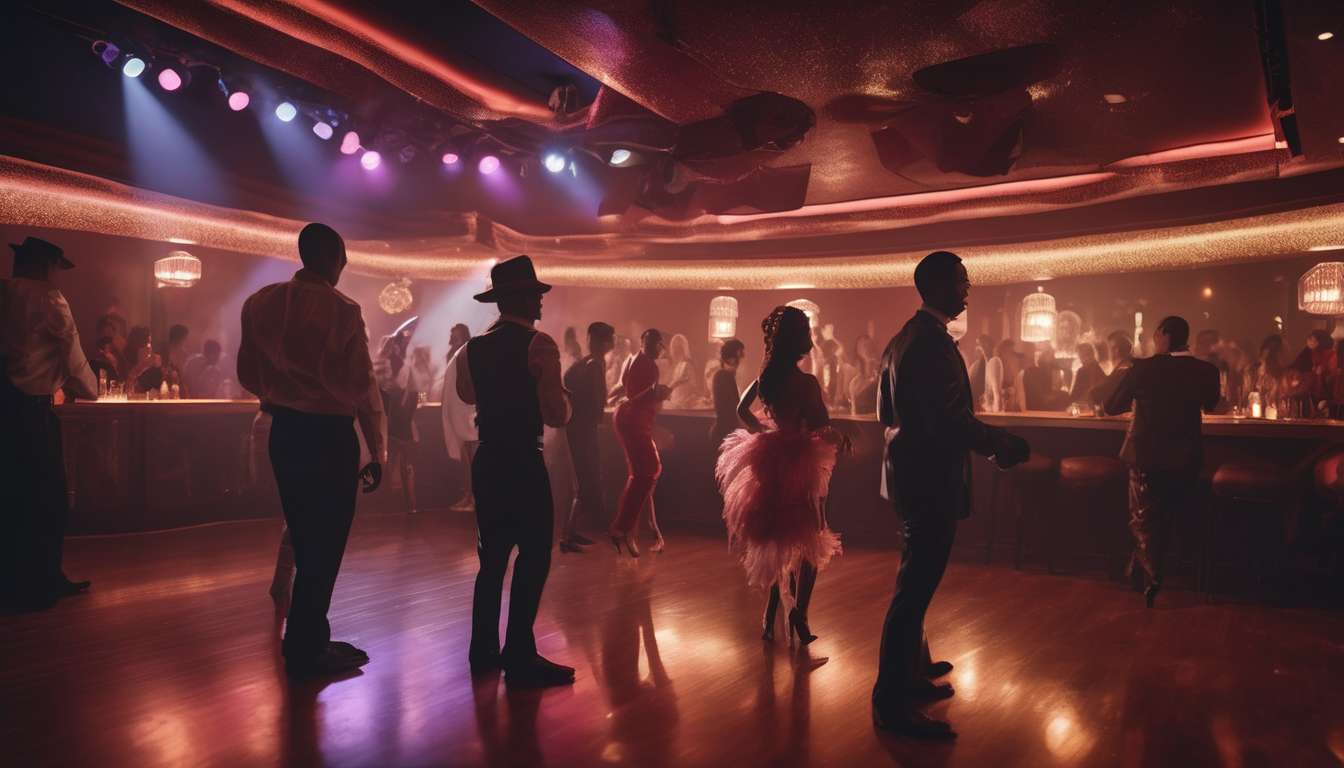
Unseen by many, we often accept the myth that exotic dancing is purely entertainment detached from standard workplace norms.
We think of clubs as places apart from labor protections, where regulations, benefits, and occupational safety don’t apply in the same way they do in other industries.
- As a result, policies and practices that would be routine elsewhere—clear reporting channels, consistent scheduling, fair pay practices—are treated as optional or even irrelevant.
We are confronting that misconception now as municipalities, advocates, and venue owners push for workplace standards that reshape how these establishments operate.
- This movement challenges long-standing assumptions and introduces new expectations for how venues are managed.
Together, we examine how dismantling this myth changes expectations for worker safety, income stability, and managerial accountability.
- Worker safety: Formal standards can introduce training, incident reporting, and protections against harassment and violence.
- Income stability: Clear pay structures, transparent fee policies, and scheduling practices can reduce unpredictable earnings.
- Managerial accountability: Standardized rules and enforcement mechanisms hold managers and owners responsible for fair treatment.
By looking beyond stereotypes, we reveal how formalizing standards can professionalize roles without erasing the autonomy many performers value, and how the shift affects performers, managers, patrons, and the broader labor landscape.
- Professionalization can bring benefits like benefits eligibility and legal protections.
- Preserving autonomy requires policies designed with performer input to avoid unintentionally restricting independence.
Changing Regulatory Landscape
We must track changing laws, zoning, and enforcement practices that affect workers’ rights and venue operations.
We stay connected to colleagues, advocates, and local officials so we can interpret rules together and respond as a community.
When ordinances touch workplace safety, we push for standards that protect performers without stripping autonomy.
- We advocate for safety measures that are effective and evidence-based.
- We resist rules that remove performer agency or criminalize routine work activities.
We insist on pay transparency so dancers understand revenue sharing, tipping policies, and any fees.
- Transparent policies build trust and reduce exploitative surprises.
- Clear disclosures help performers make informed choices about where and how to work.
We defend performer autonomy and artistic expression while meeting legitimate public-safety goals.
- Regulations should not coerce work choices or unduly limit performance content.
- Safety and autonomy can coexist through thoughtful, narrowly tailored rules.
We coordinate policy updates into operations and share model policies across venues.
- Standardized templates and best practices reduce confusion and improve compliance.
- We support legal resources for workers facing enforcement actions.
By aligning advocacy, management, and performers, we build more resilient venues that reflect shared values and practical compliance.
Safety and Training Protocols
We’ll establish clear, practical safety and training protocols that teach de-escalation, injury prevention, emergency response, and venue-specific hazards.
We’ll train together so every team member feels seen, supported, and able to act when situations arise.
Our sessions cover:
- Conflict resolution scripts
- Safe physical technique
- First aid
- Fire and evacuation routes
- How to secure private spaces
We insist on regular drills and accessible resources so knowledge becomes habit, not an afterthought.
We’ll codify standards that protect performer autonomy while aligning with broader workplace safety goals, making consent and boundaries central to every shift.
Trainers will be peers and professionals, creating a culture where questions are welcome and expertise circulates.
Documentation will be clear, concise, and available; reporting channels will be confidential and responsive.
By embedding these protocols into onboarding and ongoing practice, we’ll build trust, reduce incidents, and ensure everyone — performers, staff, management — belongs to a safer, more empowered workplace that respects both personal agency and collective responsibility.
Pay Transparency Measures
We will publish clear, standardized pay schedules and commission rates so every team member knows exactly how and when they’ll be paid.
We will outline base wages, tips handling, and commission splits in writing, and make examples available so there’s no guessing.
By adopting pay transparency we build trust, reduce disputes, and create a more inclusive workplace where everyone feels valued.
We will document dispute resolution steps and provide anonymous reporting channels, reinforcing workplace safety and financial fairness.
We will protect earnings from arbitrary deductions and require signed acknowledgments for any changes.
Performer autonomy remains central:
- Dancers will choose whether to accept commissions, participate in promotions, or opt for set-pay arrangements without coercion.
- Managers will be trained to communicate compensation changes clearly and equitably.
We will publish regular payroll audit summaries so the team can see that systems are fair.
These measures make compensation predictable, protect individual choice, and strengthen our collective sense of belonging and respect.
Scheduling and Shift Practices
We will publish clear, predictable schedules, honor advance shift-swap requests, and limit last-minute changes to protect performers’ time and income.
We create schedules together and post them with enough lead time so everyone can plan childcare, jobs, and social life.
We prioritize pay transparency by listing base rates, tip policies, and any required fees on the schedule so no one faces surprises when they work.
We respect performer autonomy by offering self-scheduling windows and a fair system for picking high-demand shifts.
- When conflicts arise, we facilitate voluntary swaps before imposing changes.
- We compensate anyone asked to take a last-minute slot.
Consistent scheduling supports workplace safety by reducing isolated late-night gaps and ensuring adequate security and staffing every shift.
We track attendance and shift disputes openly and provide simple appeal steps so people feel heard.
Together, these practices build trust, reduce turnover, and foster a workplace where everyone belongs and can rely on steady pay and predictable time.
Managerial Oversight Reforms
We’ll strengthen managerial oversight by setting clear accountability standards, regular training, and transparent performance reviews so managers support performers’ rights and maintain consistent, fair workplace practices.
We’ll define measurable expectations for supervisors, linking responsibilities to workplace safety outcomes, pay transparency practices, and respectful treatment of staff.
We’ll run mandatory, scenario-based trainings that emphasize de-escalation, reporting channels, and equitable allocation of shifts and tips, so everyone knows how managers should act and why.
Training components:
- Clear de-escalation techniques and when to use them.
- How to document and escalate incidents through established reporting channels.
- Procedures for fair shift and tip allocation.
- Role-play scenarios that reflect common venue situations.
- Evaluation criteria tied to real-world performance.
We’ll institute routine, anonymous feedback mechanisms and quarterly audits that track compliance with pay transparency policies and incident responses, then share summarized findings with the team.
Feedback and audit processes:
- Anonymous feedback tools for performers and staff.
- Quarterly audits of pay transparency, incident logs, and manager responses.
- Summarized, de-identified findings shared with the team.
- Actionable recommendations and timelines for remediation.
We’ll ensure corrective plans are consistent, timely, and restorative when needed, prioritizing learning over punishment while protecting performers.
Corrective action principles:
- Consistent application across similar incidents.
- Clear timelines for remediation and follow-up.
- Focus on restorative practices and retraining where appropriate.
- Protections for performers during investigations and corrective actions.
We’ll create mentorship pairings so new managers learn community norms and how to uphold performer autonomy without overreach.
Mentorship structure:
- Pair new managers with experienced mentors who model respectful supervision.
- Regular check-ins to discuss community norms, boundary-setting, and conflict resolution.
- Observed shadowing sessions with feedback loops.
By aligning incentives, documenting decisions, and inviting continuous input, we’ll build a workplace where managers are accountable, performers feel supported, and the venue fosters belonging alongside safety and fairness.
Key system supports:
- Incentives tied to safety and fairness metrics.
- Clear documentation of managerial decisions and rationales.
- Ongoing solicitation of staff input to refine policies and practices.
Performer Autonomy Safeguards
We will establish clear boundaries, consent protocols, and decision-making rights so performers control how they work, who they interact with, and what services they provide.
We will create written agreements that outline:
- acceptable interactions,
- private / off-limits areas,
- escalation steps.
These agreements ensure everyone understands expectations and limits.
We will prioritize workplace safety by:
- training staff in de-escalation,
- maintaining secure exits,
- ensuring two-way communication tools are always available.
We will back performer autonomy with scheduling systems that let dancers:
- set and modify shifts,
- decline requests without penalty,
- opt out of activities they’re uncomfortable with.
We commit to pay transparency by posting and explaining:
- compensation structures,
- tip policies,
- fee deductions.
Transparency reduces conflicts and builds trust among colleagues.
We will involve performers in policy reviews and incident response planning so rules reflect lived experience and people feel seen.
We will document complaints confidentially and enforce consequences consistently to reinforce accountability.
We will keep these safeguards visible and revisable, centering belonging and respect so performers can work with dignity, safety, and clear control over their labor.
Community and Patron Expectations
Set clear expectations so performers can work without harassment, unwanted contact, or boundary violations.
Explain venue rules, visible signage, and pre-show reminders that reinforce consent, respectful behavior, and limits of interactions.
Protect workplace safety and normalize boundaries so everyone feels included.
Communicate policies on photography, tipping, and proximity.
- Train staff to enforce policies consistently and compassionately.
- Use visible signage and pre-show announcements to reduce misunderstandings.
Prioritize pay transparency so performers and patrons understand pricing, tips, and any house fees.
- Publish pricing and fee information where patrons and performers can easily find it.
- Share tipping expectations and how tips are distributed to build trust.
Transparent practices increase support for fair compensation and performer autonomy.
Invite community feedback and host open forums so patrons can learn, belong, and participate in setting standards.
- Hold regular community meetings to explain policies and hear concerns.
- Provide anonymous feedback channels for patrons and performers.
- Review and update policies based on feedback and incidents.
Clear, consistent communication and compassionate enforcement create an environment where performers thrive, patrons enjoy themselves responsibly, and the venue reflects shared values of dignity and safety.
Long-term Industry Impacts
Over time, consistent standards and transparent practices will reshape how we measure success in the industry, affecting performer careers, venue sustainability, and community perceptions.
We’ll see stronger norms around workplace safety that reduce risks and make venues places where staff and patrons feel secure.
When we prioritize pay transparency, earnings become predictable and disputes fall, helping performers plan careers and build stability.
Embracing performer autonomy ensures people can set boundaries and choose work that fits their lives, which strengthens retention and professional growth.
Together we’ll cultivate venues that balance profitability with respect, attracting broader community support and reducing stigma.
Clear policies and shared expectations let us evaluate outcomes beyond short-term revenue:
- Turnover rates.
- Wellbeing metrics.
- Community partnerships.
Over time, these shifts will foster a more inclusive, resilient industry where everyone has a stake in safety, fair compensation, and self-determination.
That sense of belonging will be the lasting measure of success.
How will these workplace standard changes affect tipping customs and whether tips must be pooled or individually retained?
We’re asking how these changes will shift tipping customs and pooling rules.
Venues will likely adopt clearer policies: they will explicitly state whether tips are pooled or kept individually, with decisions often driven by local labor laws and collective agreements.
We’ll expect more transparency: venues should provide written rules and consistent distribution methods so performers understand how tips are handled.
We’ll push for fair practices:
- Respect performers’ preferences.
- Ensure legal compliance.
- Create an inclusive environment where everyone feels valued and financially secure.
Will changes require performers to undergo background checks or criminal history disclosures, and how will that information be stored and used?
We’re asking whether new rules will require background checks or criminal history disclosures, how long they’d keep records, and who’d access them.
We’ll insist on privacy, clear consent, and limits on data retention.
We’d want secure storage, restricted access, and purpose-limited use — e.g., safety screening only.
We’ll push for transparency, appeal rights, and nondiscrimination protections so everyone feels respected and supported throughout the process.
Are there new rules about what costumes or nudity levels are permissible, and who decides dress code disputes between performers and management?
Question: Do new rules limit costumes or nudity, and who settles dress-code disputes?
Venues set dress codes within local law and licensing.
Venues usually establish dress-code policies so long as those policies comply with applicable local statutes, licensing requirements, and safety regulations.
Performers and management should negotiate clear, written policies.
- Create written agreements that specify allowed costumes, levels of nudity (if any), costume-related safety requirements, and consequences for violations.
- Include any limits imposed by local law or the venue’s license so expectations are unambiguous.
If disputes arise, use staged resolution options.
- Follow internal grievance procedures or chain-of-command complaints first.
- Pursue mediation or neutral third-party facilitation if internal resolution stalls.
- Involve local labor boards, licensing authorities, or legal counsel when issues implicate statutory rights or licensing conditions.
Enforce policies respectfully, consistently, and collaboratively.
- Apply rules uniformly to avoid discrimination or perceptions of bias.
- Encourage regular, collaborative policy review with performer and staff input.
- Prioritize safety, dignity, and fair treatment so everyone feels heard and protected.
Conclusion
You’re seeing how new workplace standards are reshaping exotic dancing venues — improving safety, pay transparency, scheduling, and training while protecting performer autonomy.
As management adapts with clearer oversight and communities adjust expectations, operations are becoming more professional and sustainable.
These reforms don’t just change day-to-day practices; they redefine relationships between performers, managers, and patrons.
Taken together, they set the stage for a healthier, more transparent industry that’s better equipped to navigate future challenges.