
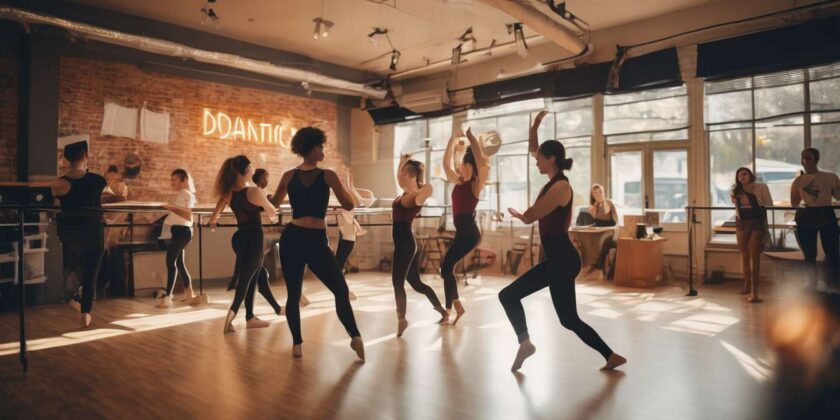
Many dance venues now report revenue increases of up to 40% after forming strategic business partnerships, a statistic that has reshaped how we view performance spaces.
We have watched small studios and grand ballrooms alike evolve from single-purpose stages into multifaceted hubs offering classes, co-working hours, pop-up retail, and wellness services.
As operators and collaborators, we recognize that these alliances expand audience reach, stabilize income streams, and foster community resilience.
We are learning to negotiate brand alignments, share resources, and co-create programming that complements rather than competes.
Our teams are blending artistic integrity with pragmatic revenue models, inviting local cafés, fitness instructors, and tech platforms to contribute to a richer patron experience.
Together, we are redefining success metrics for venues—measuring impact by engagement and adaptability as much as ticket sales.
This shift prompts us to reconsider how spaces are designed, marketed, and sustained for the long term.
Strategic Partnership Benefits
We gain new revenue streams and reduce operating costs when we form strategic partnerships that align our venue’s needs with complementary businesses.
We nurture a sense of belonging by inviting local studios, cafés, and arts organizations into cooperative agreements that benefit everyone.
Through strategic partnerships we share resources—marketing channels, equipment, staff expertise—so we can focus on creating memorable experiences rather than shouldering every expense alone.
We see diversified revenue without losing our mission:
- Ticketed events
- Shared classes
- Sponsorships
These blend with our core programming to stabilize cash flow.
Collaborative programming strengthens community ties:
- Co-create workshops
- Host pop-up performances
When partners participate, more people feel welcome and invested in our space.
We standardize clear agreements so responsibilities, profits, and promotional efforts are transparent, reducing friction.
By aligning values and complementary strengths, we build resilient, inclusive offerings that honor artists and audiences alike.
Together, we expand reach, share risk, and deepen the communal fabric that makes our venue thrive.
Diversified Revenue Streams
We’ll build multiple income channels — like classes, rentals, merchandise, and sponsorships — so our venue isn’t reliant on one source and can weather seasonal swings.
We’ll lean into strategic partnerships with local businesses, schools, and arts organizations to expand ticketed events, retail opportunities, and co-branded promotions.
By doing this together, we create diversified revenue that supports fair wages, accessible programs, and shared goals.
We’ll keep membership and pricing simple and welcoming so everyone can find a place here.
- Membership tiers
- Drop-in options
- Bundled packages
We’ll host pop-up shops and sell branded merchandise (apparel, recordings) to strengthen community identity while adding predictable sales.
We’ll pursue sponsorships and small grants that align with our values, giving us stability without compromising mission.
We’ll explore collaborative programming as one way to reach new audiences, while prioritizing a balance between earned income and partner-funded streams.
Our primary aim: keep the space vibrant, inclusive, and resilient for all who belong.
Collaborative Programming Models
Joint performances, workshops, and residency exchanges
We will design joint performances, workshops, and residency exchanges that let partners share resources, audiences, and creative leadership.
Build collaborative programming with clear roles and shared goals
We build collaborative programming that centers mutual respect, clear roles, and shared goals so everyone feels they belong.
Co-create seasons responsive to community needs
Through intentional strategic partnerships, we co-create seasons that reflect diverse styles and community needs while keeping logistics streamlined.
Set measurable outcomes
We set measurable outcomes—audience growth, participation rates, and revenue targets—so artists and organizations know their contributions matter.
Structure financial models that protect artistic intent
We structure financial models that support diversified revenue without diluting artistic intent by using:
- pooled ticketing,
- sponsorship packages,
- shared grant applications tied to joint initiatives.
Maintain transparent governance
We maintain transparent governance with practices such as:
- rotating artistic directors for co-productions,
- shared marketing plans,
- equitable expense allocation.
Commit to continuous communication and adaptation
We commit to regular check-ins and feedback loops to resolve tensions quickly and adapt programming responsively.
Outcome: a networked, accountable ecosystem
By doing this, we nurture a networked ecosystem where collaborators grow together, audiences feel welcomed, and venues expand impact through intentional, accountable collaborative programming.
Shared Space Innovations
We will reconfigure venue spaces to serve multiple functions—rehearsal studios, pop-up stages, classrooms, and community hubs—so partners can share overhead, expand programming, and better use idle hours.
We will design modular layouts that welcome artists, educators, and neighbors, creating familiar corners where people feel seen and stay connected.
Through strategic partnerships with local schools, fitness groups, and arts collectives, we will schedule complementary uses that reduce empty time and increase foot traffic.
We will set transparent booking systems and shared calendars so everyone knows they belong to a coordinated effort, and we will offer tiered access that balances affordability with sustained income.
By hosting mixed-use events and short-term residencies, we will build diversified revenue without losing our mission-driven heart.
Collaborative programming will guide how we sequence classes, performances, and community gatherings, ensuring each activity supports the next.
We will measure outcomes by attendance, participant feedback, and partner retention, and we will iterate quickly so our shared spaces keep serving people who want connection, creativity, and dependable places to belong.
Brand Alignment Strategies
Brand alignment: voice, visuals, and partner criteria will all reinforce who we are and what we stand for.
We choose strategic partnerships that reflect our aesthetic, values, and commitment to inclusivity, ensuring each partner feels like an extension of our community.
We set clear visual standards and messaging guidelines so co-branded materials speak in one confident tone that invites participation rather than sells it.
Revenue and identity balance: we prioritize partners who support diversified revenue without compromising our identity.
- We select opportunities that sustain our space while preserving the atmosphere members cherish.
- We prefer partners whose commercial goals do not overshadow the venue’s cultural mission.
Collaborative programming should feel native to our mission.
- We design programming that weaves partner offerings into our calendar organically.
- Examples: workshops, shared showcases, themed series.
Partnership fit is measured by audience overlap, creative alignment, and mutual respect.
- We evaluate cultural fit and how a partner’s audience complements ours.
- We favor collaborators who demonstrate respect for our community norms and practices.
Legal and operational safeguards: build simple contracts that protect both parties and the people who gather here.
- Contracts cover scope, branding use, revenue share, accessibility expectations, and safety/respect standards.
- Agreements remain short, clear, and enforceable.
Outcomes: partnerships should strengthen belonging, broaden resources, and deepen the cultural life of our venue.
- When these criteria are applied, collaborations expand opportunity without diluting identity.
- The result: a network of partners that feel like extensions of our community and help sustain its future.
Community Engagement Tactics
Regular member touchpoints to shape programming, policies, and partnerships.
- We’ll cultivate surveys, open forums, and informal check-ins that let members shape programming, policies, and partnerships.
- We’ll listen for what fosters belonging, then act, creating accessible events and clear feedback loops so everyone feels seen and useful.
- We’ll invite local businesses and nonprofits into strategic partnerships that expand reach while keeping our community’s voice central.
Collaborative, community-driven programming and transparent decision-making.
- We’ll design collaborative programming that mixes member-led workshops, youth outreach, and cross-promotions with culturally aligned partners.
- That approach strengthens ties and creates shared ownership of events, making attendees co-creators rather than consumers.
- We’ll prioritize transparency about how decisions are made and how funds support community goals.
Diversified, mission-aligned revenue and ongoing measurement.
- We’ll pursue diversified revenue in ways that sustain mission-driven activities without compromising inclusivity: sliding-scale tickets, sponsor-supported free nights, and community memberships.
- We’ll measure engagement by participation, retention, and qualitative stories, then iterate.
- Together, we’ll build a responsive, welcoming venue where partnerships and programming reflect who we are and who we want to become.
Operational Resource Sharing
We’ll share equipment, staff time, and back-office systems with trusted partners to cut costs, increase capacity, and keep services consistent across venues.
We pool sound and lighting gear, front-desk staff, and booking platforms so every space feels familiar and welcoming to our community.
By treating shared resources as extensions of our homes, we strengthen bonds among staff, artists, and patrons.
We build strategic partnerships that let us offer more without reinventing operations at each location.
Shared payroll, joint procurement, and cross-trained teams reduce overhead while preserving local flavor.
That operational efficiency supports diversified revenue through:
- co-hosted classes
- joint memberships
- shared retail or concession offerings
We design collaborative programming calendars that rotate talent and events, creating a networked schedule that invites people to belong across venues.
We communicate openly, set clear resource-use rules, and honor each partner’s identity so the shared model feels equitable and sustainable.
Measuring Partnership Impact
We’ll track clear metrics—financial, operational, and community impact—to evaluate how partnerships actually improve access, quality, and sustainability across our venues.
We’ll set measurable goals for strategic partnerships that align with our mission:
- Increases in diversified revenue, e.g., new sponsorships, grants, or earned income sources.
- Reductions in per-event costs through shared resources, e.g., pooled staffing, joint marketing, or shared equipment.
- Growth in attendance from targeted communities, using targeted outreach metrics.
We’ll monitor program retention, participant demographics, and satisfaction scores to gauge whether collaborative programming is expanding inclusion and artistic depth.
- Retention: repeat attendance and multi-session enrollment.
- Demographics: age, race/ethnicity, geography, income brackets where appropriate.
- Satisfaction: survey scores, net promoter-like measures, and qualitative feedback.
We’ll use quarterly dashboards that combine hard numbers and qualitative stories so everyone sees progress and challenges.
We’ll compare baseline months to partnership periods to isolate effects and run simple A/B tests where feasible.
We’ll report transparently to partners, staff, and community members, inviting feedback and course corrections.
By valuing clear data and shared narratives, we’ll ensure partnerships bolster financial health, artistic quality, and a sense of belonging—so every venue benefits and every participant feels seen.
What legal structures (e.g., LLCs, joint ventures, Memoranda of Understanding) are most appropriate for formalizing partnerships between dance venues and business partners, and what key clauses should be included to protect both parties?
Preferred legal structures and when to use them
LLCs for ongoing alliances. LLCs offer strong liability protection, flexible tax treatment, and clear ownership percentages — making them a good choice when venue partners plan a long-term commercial relationship or shared operations.
Joint ventures for specific projects. Use a joint venture (either as a separate entity or a contractual JV) when partners collaborate on a defined event, development, or initiative with a limited scope and duration.
MOUs for early-stage cooperation. A memorandum of understanding (MOU) is useful to document intent, roles and preliminary terms during negotiations before a binding agreement is ready.
Essential clauses to include
Governance and decision-making.
Define governance structure, voting thresholds, board or management composition, and escalation paths for deadlocks.
Specify who has day-to-day operational authority versus reserved matters requiring unanimous or supermajority approval.
Profit-sharing and financial terms.
Set clear formulas for revenue allocation, expense-sharing, accounting standards, audit rights, capital contributions, and cash flow timing.
Roles and responsibilities.
Detail each partner’s operational duties, staffing obligations, venue management tasks, marketing responsibilities, and performance targets.
IP, branding, and use rights.
Clarify ownership of pre-existing IP, licensing of joint IP, permitted use of each partner’s brands, co-branding guidelines, and rights to photographs, recordings, and digital content.
Termination and exit mechanics.
Include events of default, termination for convenience, notice periods, buy-out mechanics, valuation methodology, and transition plans for customers and staff.
Dispute resolution.
Specify escalation steps, mediation/conciliation, choice of law, and arbitration or court venues. Consider tiered dispute resolution to preserve operations while resolving disputes.
Confidentiality and data protection.
Protect sensitive commercial information, customer data, and technical details with non-disclosure obligations and compliance with applicable privacy laws.
Insurance and indemnity.
Outline required insurance types and minimum limits (e.g., general liability, event cancellation, property, cyber) and reciprocal indemnities for negligence, willful misconduct, and third-party claims.
Performance metrics and remedies.
Establish measurable KPIs (attendance, revenue targets, uptime, customer satisfaction), reporting cadence, remedies for underperformance (remediation plans, step-in rights, fee adjustments), and termination triggers tied to persistent failures.
Drafting approach and relationship principles
Fairness and inclusion. Build terms that balance risk and reward, reflect each partner’s contribution, and include mechanisms to adjust allocation as the business evolves.
Trust and transparency. Include reporting rights, audit access, and regular governance meetings to maintain accountability and preserve the partnership.
Scalability and exit planning. Draft provisions that allow for growth (admitting new partners, additional projects) and clear, fair exit paths to minimize disputes and protect continuity.
If you’d like, I can draft a short checklist or a sample term sheet tailored to your specific venue partnership scenario (single event JV, long-term shared operations via an LLC, or MOU for negotiations). Which option should I prepare?
How are intellectual property rights (such as choreography, class curricula, promotional materials, and recorded performances) typically managed and licensed when multiple partners collaborate on programming?
We clarify ownership upfront: choreographers usually retain choreography rights while licensing performance and teaching rights to partners for set terms.
We agree on usage limits, revenue splits, credit, and sublicensing rules:
- Usage limits define where, when, and how the work may be performed or taught.
- Revenue splits specify how income from performances, classes, or recordings is divided.
- Credit requirements ensure creators are properly acknowledged.
- Sublicensing rules set whether and how partners may grant rights to third parties.
We require consent for recordings and promotional use: partners must agree before videos, audio, or promotional materials are created or distributed.
We include dispute resolution, terminations, and transfer restrictions:
- Dispute resolution establishes mediation/arbitration processes.
- Termination clauses explain when and how licenses can end.
- Transfer restrictions prevent unauthorized assignment of rights.
The goal is mutual respect and security: clear, written agreements keep expectations aligned and protect each party’s intellectual property and interests.
What tax implications and reporting requirements should dance venues anticipate when entering revenue-sharing agreements, accepting sponsorships, or receiving in-kind support from corporate partners?
When you enter revenue-sharing deals, accept sponsorships, or receive in-kind support, you must understand the tax and reporting obligations.
Treat shared revenue as taxable income.
- Track and allocate gross receipts carefully.
- Record how revenue is split among parties and retain supporting documentation.
- Expect to issue or receive Form 1099s where required by law.
Determine whether sponsorships are taxable income or non-taxable advertising.
- Review the substance of the arrangement (control, promotional benefit, quid pro quo).
- Document deliverables and consider how the sponsor benefits for correct tax treatment.
Value and record in-kind donations.
- Establish a reasonable fair-market value for goods or services received.
- Record the donation and its valuation in your books and retain documentation.
Follow contract and reporting best practices to avoid surprises.
- Maintain clear, written contracts that specify revenue shares, deliverables, and valuation methods.
- Consult a qualified accountant or tax advisor for transaction-specific guidance.
- File all required tax forms and reports promptly to preserve compliance and community trust.
Conclusion
You’re seeing how strategic partnerships reshape what dance venues offer, giving you diversified revenue streams and collaborative programming that keeps audiences coming back.
Shared spaces and aligned branding let you stretch resources and present bolder, more cohesive events.
By engaging your community and sharing operations, you’ll cut costs and boost impact.
Measure results to refine partnerships, ensuring they continue to serve your venue’s mission, expand reach, and strengthen financial and artistic resilience.