
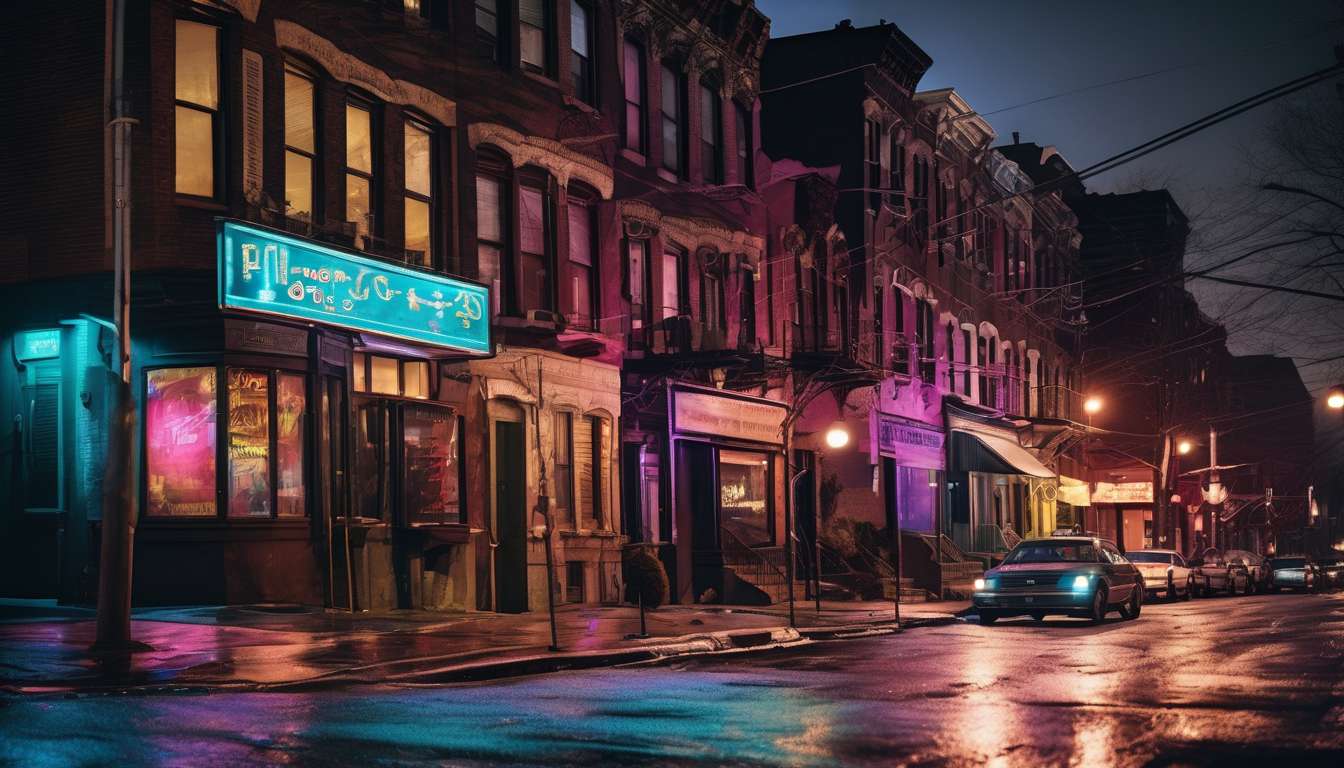
Just because adult dance clubs appear only on the outskirts of town doesn’t mean that’s where communities want them.
We often assume zoning maps reflect neutral planning — commercial here, residential there — but that belief masks a web of local rules, moral judgments, and political compromises that push these venues into specific neighborhoods.
Conditional-use permits, buffer zones, and distance requirements from schools or churches funnel clubs toward industrial corridors, waterfronts, or marginalized districts.
- Conditional-use permits allow planners and elected officials to approve or deny establishments case-by-case, introducing discretion and political influence.
- Buffer zones and distance requirements (from schools, churches, parks, etc.) create geographic constraints that narrow where clubs can legally operate.
- Combined effects steer venues away from high-value or residential areas and into places with fewer political resources and protections.
Residents debate safety and property values, while planners cite land-use compatibility.
- Residents’ concerns often focus on crime, noise, and declines in property values.
- Planners’ framing emphasizes compatibility with surrounding uses and preserving neighborhood character.
- These narratives can obscure underlying moral judgments that inform policy choices.
Myths about morality and nuisance drive ordinances as much as empirical evidence does.
- Moral framings (e.g., protecting public decency) have historically motivated restrictive laws.
- Nuisance-based arguments are frequently used even when empirical links between adult entertainment and negative outcomes are weak or contested.
As we unpack how zoning codes and discretionary decisions shape where adult entertainment operates, we trace consequences for urban equity, economic development, and First Amendment concerns.
- Urban equity: marginalized neighborhoods disproportionately host these businesses and bear associated impacts.
- Economic development: location restrictions can limit legitimate business opportunities and concentrate economic activity in certain corridors.
- First Amendment issues: overly restrictive or discretionary regulation risks suppressing protected expression and invites legal challenges.
By challenging assumptions about neutrality, we reveal who benefits, who bears burdens, and how policy choices create real spatial outcomes.
Zoning’s Hidden Biases
We often overlook how seemingly neutral zoning rules embed social biases that disproportionately restrict where adult dance clubs can operate.
We see a zoning ordinance framed as neutral, but it often uses vague terms and maps that push venues away from residential areas, schools, and churches, clustering them in less visible neighborhoods.
We recognize that buffer zones, while presented as safety measures, can become tools that erase opportunities for businesses and workers by creating large exclusionary swaths.
We also know adult entertainment licensing processes layer discretion onto these rules, making operating permissions unpredictable and unevenly applied.
Together, these mechanisms marginalize performers, staff, and owners who already seek community and stable livelihoods.
We want policies that treat people with dignity, not tools that isolate them.
We can support clearer, equitable zoning language, reasonable buffer dimensions based on evidence, and transparent licensing criteria so clubs, neighbors, and workers can coexist respectfully.
We’ll advocate for policies that reflect belonging, fairness, and predictable pathways to operate.
Permits and Political Power
Many permit decisions hinge less on clear standards than on who has political influence, so we need processes that limit discretion and protect fair access.
We see how a zoning ordinance can be written or interpreted in ways that favor some businesses and exclude others, which undermines trust in local government.
When neighbors and entrepreneurs come together, we can push for transparent criteria, timelines, and appeal rights so decisions aren’t left to opaque preferences.
Adult entertainment licensing often becomes a proxy for moral judgments rather than neutral safety standards, so systems must treat applicants equitably and provide objective grounds for denial.
- Require public hearings but protect applicants from harassment.
- Provide clear, objective grounds for denial rather than subjective moral judgments.
- Address specific rules like buffer zones separately while focusing here on procedural safeguards.
Procedural safeguards we should adopt:
- Standardized application packets that list all required materials and fees.
- Published decision rubrics that explain how applications will be scored and evaluated.
- Independent review panels to reduce the influence of local political pressure.
- Community outreach that actively invites participation while preventing intimidation.
The result: everyone who belongs in our community has a fair shot at operating within the law, with transparent procedures and avenues for appeal.
Buffer Zones Explained
Many communities use setback rules that keep adult dance clubs a defined distance from schools, churches, and residences to limit potential conflicts and impacts.
Buffer zones aren’t just legal text; they shape whether venues feel welcome in a neighborhood.
When a zoning ordinance sets those distances, it creates predictable boundaries for operators, neighbors, and applicants pursuing adult entertainment licensing.
We want clear, equitable rules that balance business interests with community comfort.
Consistent interpretation builds trust among all parties.
- Applicants know where to locate.
- Residents know what to expect.
- Officials can apply standards without ad hoc decisions.
Best practices for fair, enforceable buffer zones include:
- Require transparent maps and measurable criteria so enforcement isn’t subjective.
- Pair thoughtful buffer zones with fair adult entertainment licensing processes.
- Use public hearings and stakeholder participation to surface concerns and solutions.
Thoughtful buffer zones and licensing reduce disputes and help clubs coexist with other land uses.
Together, we can support policies that protect vulnerable uses while allowing lawful enterprises to operate within clearly defined, community-backed parameters.
Where Clubs Get Pushed
Often clubs are pushed to the edges of town—industrial areas, strip-mall corridors, or near highways—because those locations minimize conflicts with schools, churches, and homes.
Zoning ordinance language often carves out these peripheral spaces by designating where adult uses are allowed or prohibited.
- This creates predictable patterns: parcels zoned for light industrial or commercial fringe become default locations for venues needing adult entertainment licensing.
We approach this topic as a community seeking inclusion; we want policies that are fair and intelligible.
When buffer zones around sensitive uses are wide, operators have few viable options, and existing businesses may cluster into pockets that feel isolated.
- By reviewing how zoning ordinance maps, buffer zones, and licensing procedures interact, we can advocate for clearer criteria and consistent application.
- We can also support pathways for safe operations and workforce dignity without forcing venues into marginal, less-serviced parts of town.
Resident Concerns and Narratives
We hear residents raise safety, property-value, and moral concerns, and we should take each narrative seriously while separating anecdote from evidence.
We listen for patterns in testimony about late-night noise, perceived loitering, and fears that clubs affect neighborhood character.
We acknowledge feelings and build belonging by inviting residents into clear processes rather than dismissing them.
We examine how a zoning ordinance frames where clubs can locate, how buffer zones are used to separate uses, and how adult entertainment licensing sets operating conditions.
We explain trade-offs:
- Stricter buffer zones can reduce concentrated impacts.
- Stricter buffer zones may push venues into industrial corridors, changing who bears burdens.
We encourage community participation in hearings and transparent data-sharing so concerns are evaluated against incident reports and economic studies.
We support collaborative problem-solving—designing permit conditions, hours, and security plans through dialogue—so residents feel heard and outcomes reflect shared priorities rather than only reactive restrictions.
Morality Versus Evidence
Distinguish moral objections from empirical evidence.
We should separate moral judgments from factual claims so policies respond to demonstrable harms rather than only to feelings or stigma. This ensures regulations target real, measurable risks instead of enforcing community discomfort or disapproval.
Ground land-use rules in data, not moral judgment.
We want zoning and buffer-zone decisions to rely on evidence about safety, noise, and traffic. For example:
- Use distance rules tied to crime reports or pedestrian flow.
- Measure noise levels and traffic counts when assessing impact.
- Avoid singling out venues based on moral disapproval.
Clarify licensing standards with enforceable conditions.
Adult-entertainment licensing should specify objective, enforceable requirements such as:
- Hours of operation.
- Maximum capacity.
- Staff safety training.
- Sanitation and health standards.
These clear criteria let communities hold businesses accountable on objective bases rather than vague moral grounds.
Protect pluralism and make policy defensible.
Insisting on evidence-based rules protects both public welfare and fair treatment of operators, keeping moral debates in the public square rather than encoded into law. This approach:
- Builds trust between communities and regulators.
- Produces policy outcomes that are defensible and easier to revise when new data appear.
Equity and Economic Impact
We should assess who gains and who loses from zoning rules for adult dance clubs, because those choices shape local jobs, property values, and access to livelihood.
We need to look at how a zoning ordinance allocates space and opportunity:
- Strict location limits can push clubs to fringe areas, reducing visibility and customer flow.
- Looser rules can concentrate venues and economic activity.
We should consider staff, performers, nearby small businesses, and residents—who benefits and who bears costs:
- Beneficiaries: increased foot traffic can help nearby businesses and create jobs for staff and performers.
- Those who may bear costs: nearby residents may experience noise or stigma, and some property owners may worry about impacts on property values.
We can design buffer zones thoughtfully so they protect sensitive uses without arbitrarily excluding lawful work.
Our review should include transparent adult entertainment licensing processes that:
- Treat applicants fairly.
- Minimize burdensome fees.
- Provide clear appeal paths.
By centering equity, we can:
- Balance public concerns with workers’ economic security.
- Ensure predictable property impacts.
- Create pathways for businesses to comply rather than be excluded.
Together we can craft local policy that respects belonging and shared economic wellbeing.
Legal and First Amendment Risks
We must carefully weigh legal and First Amendment risks because restrictions on adult dance clubs can trigger strict scrutiny and lead to costly litigation if they unduly target expressive activity.
We want policies that protect community interests without alienating operators or patrons, so we review how a zoning ordinance is drafted, focusing on clear, content-neutral standards.
We consider whether buffer zones around schools or churches are narrowly tailored and justified by public safety or secondary effects, not by disfavoring expression.
We examine adult entertainment licensing requirements to ensure they serve health and safety goals, are applied uniformly, and include procedural protections to avoid arbitrary denial.
By collaborating with stakeholders, we build rules that are defensible and inclusive, reducing legal exposure.
When we question enforcement discretion, sunset clauses, and appeal processes, we strengthen trust and belonging while minimizing constitutional risk.
Thoughtful, precise regulation keeps communities safe and keeps litigation from fracturing the shared civic space.
How do health and safety inspections specifically differ for adult dance clubs compared with other nightlife venues (e.g., nightclubs, bars, live music venues), and what common violations lead to temporary or permanent closures?
Topic: How inspections differ for adult dance clubs versus other nightlife venues
Adult dance clubs face added scrutiny on performer areas, private rooms, and decency compliance.
Inspectors commonly examine dressing rooms, stage areas, and any spaces used for private performances to ensure they meet safety and licensing standards and comply with local obscenity/semi-nudity rules.
There is stricter surveillance for human trafficking and related criminal activity.
- Inspectors and enforcement officers often coordinate with law-enforcement and social-service agencies.
- Close attention is paid to signs of coercion, underage performers, and suspicious patron-performer interactions.
- Background checks and staff-vetting procedures may be reviewed more thoroughly than at non-adult venues.
Licensing and permit checks are more intensive and specific.
- Authorities verify that the venue holds the correct adult-entertainment licenses, special-use permits, and stage/performance endorsements.
- Local zoning compliance and conditional-use approvals are commonly rechecked during inspections.
Common violations that can force closures include fire-safety failures, overcrowding, and inadequate exits.
- Blocked or insufficient emergency egress, inoperative alarms or sprinklers, and lack of required fire-safety plans are frequent grounds for immediate action.
Illicit drug activity, unlicensed performances, and sanitation problems also lead to enforcement.
- Evidence of drug sales or use, performances beyond permitted scope, and poor restroom/food-safety conditions can trigger fines, license suspension, or closure.
Working together to stay informed and support safe, lawful operations.
- Operators should maintain up-to-date licenses, clear safety plans, staff training on trafficking awareness, and routine self-inspections.
- Regular communication with local regulators and law enforcement reduces risk and helps demonstrate compliance.
If you’d like, I can:
- Provide a checklist tailored for adult-club pre-inspection readiness.
- Draft a short staff-training outline on trafficking awareness and decency compliance.
- Summarize typical local-license categories and permit triggers in your jurisdiction (tell me the city/county).
What are the typical insurance requirements and costs for adult dance clubs, and how do insurers view risks related to patron behavior, staff safety, and liability for performances?
Typical insurance types required for adult dance clubs
General liability: Covers bodily injury and property damage to third parties (patrons, vendors).
Liquor liability: Essential if alcohol is served — covers claims stemming from intoxicated patrons.
Property: Covers damage to the building, fixtures, and contents (including staging, lighting, sound).
Workers’ compensation: Required if you have employees — covers workplace injuries and related medical costs.
Performer-specific coverage: Policies or endorsements addressing performer injuries, sexual misconduct allegations, and equipment (portable stages, harnesses).
Why premiums are higher than standard bars
Insurers charge higher rates because adult dance clubs present elevated risks from assault, intoxication, and performance-related hazards.
Underwriters pay particular attention to patron behavior, staff training, security practices, and indemnity provisions for performances.
How to reduce insurance costs
- Document policies and procedures. Keep written safety, alcohol-service, and incident-response policies.
- Perform background checks. Screen employees and performers to reduce risk of criminal incidents.
- Maintain incident logs. Record assaults, ejections, medical calls, and other incidents promptly and consistently.
- Implement robust safety protocols. Use trained security staff, surveillance, proper lighting, clear crowd-control plans, and performer safety equipment.
- Contractual protections. Use well-drafted performer agreements that include indemnity/hold-harmless clauses and insurance requirements.
Key takeaway: Insurers focus on behavior, training, security, and contractual protections. Documenting and enforcing strong safety and screening practices is the most effective way to lower premium costs and improve insurability.
How do zoning policies for adult dance clubs affect employees (dancers, security, bartenders) in terms of minimum wage enforcement, access to benefits, and protections against workplace harassment or exploitation?
We’re asking how zoning affects employees’ wages, benefits, and safety.
Finding: Stricter zoning often pushes clubs to fringe areas where oversight is weak.
- This relocation can cause minimum-wage enforcement to slip.
- Access to employer-provided or formal benefits may be limited.
Consequence: When clubs are marginalized, workers face greater harassment and exploitation risks.
- There are fewer nearby reporting resources (e.g., labor inspectors, advocacy groups).
- Isolation increases vulnerability to wage theft, unsafe conditions, and retaliation.
Recommendation: Support policies that integrate clubs into regulated zones and strengthen protections.
- Strengthen labor inspections and enforcement in areas where clubs operate.
- Expand workplace protections tailored to club employees (wage guarantees, anti-harassment rules).
- Increase support services and reporting resources (hotlines, legal aid, outreach).
- Consider zoning reforms that keep clubs in accessible, well-regulated districts to improve oversight and worker safety.
Conclusion
You’ve seen how zoning quietly steers adult dance clubs away from visible, affluent areas and into neighborhoods with less political power.
Permits, buffer zones and local narratives often reflect moral judgments more than evidence, shifting economic benefits and burdens unequally.
That raises equity and First Amendment questions you can’t ignore:
- Policymakers should reassess rules.
- Center transparent, evidence-based processes.
- Involve impacted communities so regulations protect public safety without perpetuating stigma or concentrating harms.